The United States Coast Guard (USCG) is entering a new era of maritime technology. While the Coast Guard goes high-tech with innovations in search and rescue, maritime law enforcement, port security, fisheries enforcement, and homeland security, today’s service increasingly depends on robotics, unmanned aircraft, digital communications, advanced sensors, biometrics, cybersecurity, and other emerging technologies to get the job done.
For today’s Coast Guard men and women, modernization is changing how missions are planned, how information is gathered, and how crews operate in dangerous maritime environments. The goal is not technology for technology’s sake. It is giving Coast Guard personnel better information, greater reach, and safer ways to accomplish difficult missions.
Robotics and Autonomous Systems
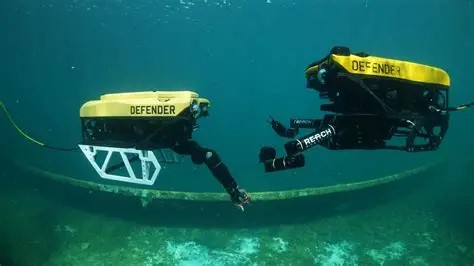
US Coast Guard goes high-tech with it’s investment in underwater robotics and autonomous systems.
The service announced plans to invest nearly $350 million to expand robotics and autonomous capabilities. Initial investments included remotely operated underwater vehicles, unmanned ground robots, and short-range unmanned aircraft systems. The Coast Guard says these technologies can improve personnel safety, increase maritime domain awareness, and strengthen mission execution.
This is particularly important because Coast Guard crews routinely operate in hazardous environments.
Remotely operated vehicles can potentially inspect underwater areas without immediately placing divers in dangerous situations. Small unmanned aircraft can provide aerial observation, while robotic ground systems can assist specialized teams.
Unmanned Aircraft Extend the Coast Guard’s Eyes
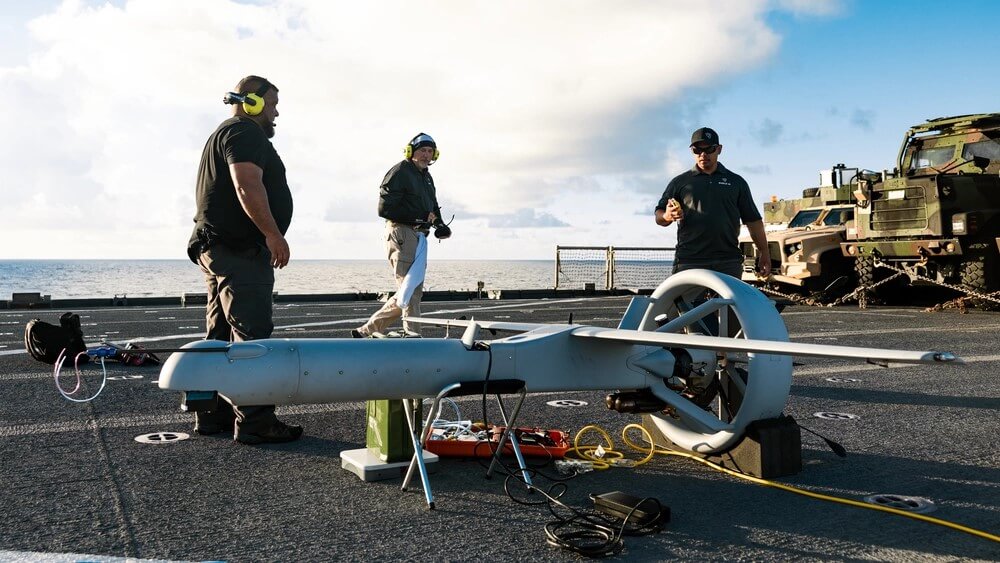
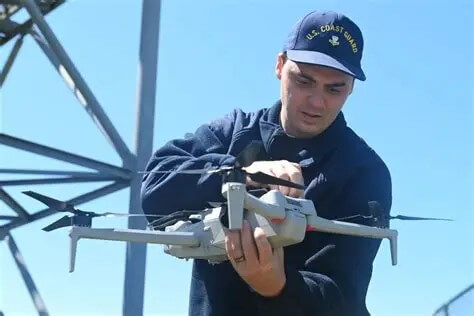
The U.S. Coast Guard goes high tech with the unmanned aircraft program, another important part of modernization.
The service is evaluating additional unmanned aircraft systems to supplement its existing aviation capabilities and extend the surveillance range of surface assets. Cutter-based unmanned aircraft can provide commanders with information beyond the immediate horizon, potentially improving maritime surveillance and situational awareness.
For Coast Guard crews, that additional information can make a major difference.
Whether searching for a vessel, monitoring a maritime area, supporting law enforcement, or assisting with a search-and-rescue mission, having more eyes in the sky can help crews make better decisions.
Digital Seabag
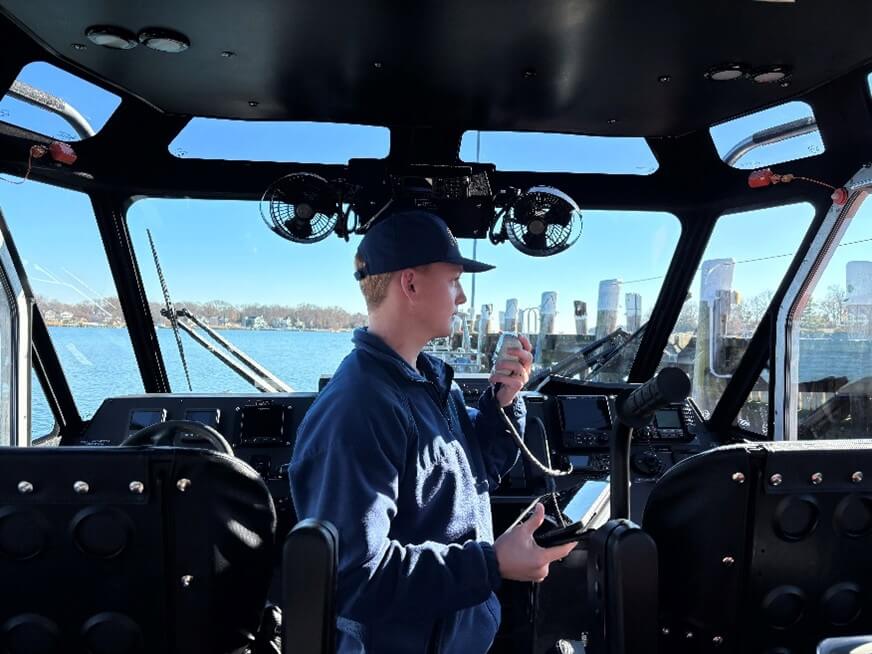
Technology is also changing the everyday life of Coast Guard personnel.
The Digital Seabag Initiative began a 2026 pilot program providing iPhones and iPads to personnel at five Boat Forces units. The initiative is part of a broader effort associated with Force Design 2028 and represents an attempt to give Coast Guard members modern digital tools in the field.
For a service operating across thousands of miles of coastline, waterways, and remote maritime environments, dependable digital connectivity can be extremely valuable.
The traditional seabag contains physical equipment required for military service. The digital version adds another dimension: information, communication, applications, and electronic tools that can travel with the Coast Guard member.
Smarter Navigation
The Coast Guard is also examining next-generation aids to navigation, commonly called ATON.
The Coast Guard Research and Development Center conducted a multi-year study examining whether newer navigation buoy technologies could provide cost-effective alternatives to traditional steel buoys.
Navigation technology may not receive the same attention as drones or robots, but it is fundamental to maritime safety.
Reliable navigation aids help commercial vessels, recreational boaters, military units, and Coast Guard crews safely navigate waterways.
Modernizing these systems could provide opportunities to incorporate improved technology while maintaining the Coast Guard’s longstanding responsibility for maritime navigation safety.
Biometrics at Sea
The US Coast Guard goes high-tech by it’s ability to identify people encountered during maritime operations.
The Coast Guard awarded a contract for its next-generation Biometrics at Sea System (BASS), with additional devices scheduled for phased deployment beginning in 2026 and continuing into 2027.
Biometric technology can support maritime law enforcement by helping personnel establish identities during appropriate Coast Guard operations.
For Coast Guard boarding teams, improved technology can provide additional information while supporting the service’s broader mission of maritime security and law enforcement.
Cybersecurity Becomes Maritime Security
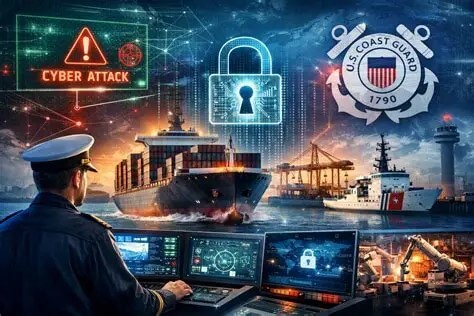
Modern cutters increasingly depend on digital systems, which means cybersecurity is becoming an essential part of Coast Guard readiness.
The Coast Guard’s 2026 research portfolio includes work on cyber-resilient operational technology systems aboard cutters, including examination of technologies that could help monitor and protect shipboard operational technology from cyber threats.
A modern cutter is not simply a ship full of mechanical equipment. It is also a networked technological environment.
As the US Coast Guard goes high-tech it is important to protect the systems that maintain the tech. Thereby protecting the mission.
Modern Cutters, Modern Missions
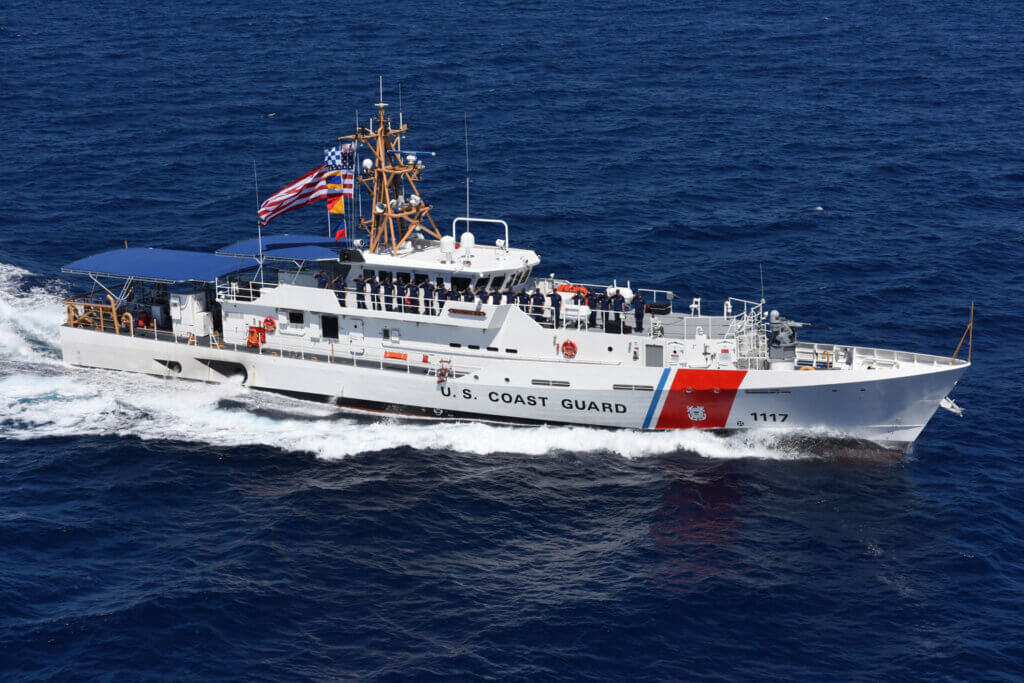
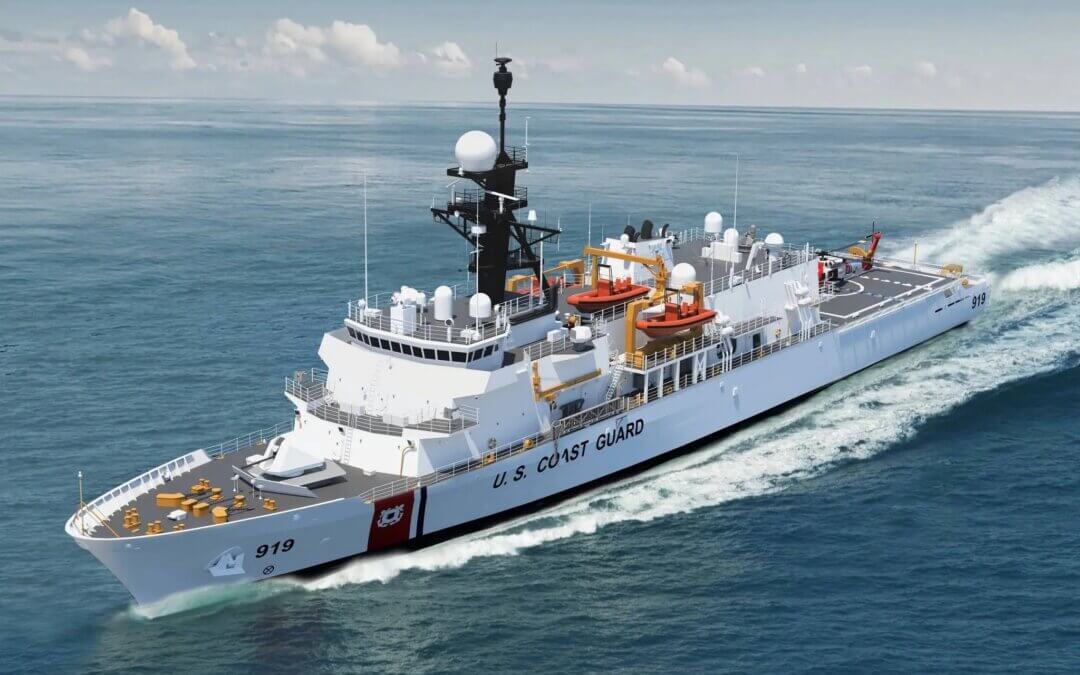
The Coast Guard continues modernizing its fleet while extending the service life of existing vessels.
In July 2026, the Coast Guard Cutter Legare completed a major service-life extension program after approximately two years of work at the Coast Guard Yard and proceeded toward sea trials.
At the same time, the service continues building and commissioning new platforms such as Sentinel-class Fast Response Cutters, which perform missions including coastal security, fisheries enforcement, search and rescue, and national defense.
Technology becomes most valuable when it is integrated with these platforms and the people operating them.
The Coastie Remains the Most Important Technology
Drones, robots, biometric systems, advanced navigation equipment, digital devices, and cyber defenses can dramatically improve Coast Guard operations.
But technology does not replace the Coast Guard member.
A Coastie still has to launch the rescue boat, operate the cutter, maintain the aircraft, analyze information, board vessels, treat injured people, enforce maritime law, and make difficult decisions in unpredictable conditions.
The future Coast Guard will therefore be a combination of advanced technology and highly trained people.
Its motto remains Semper Paratus—Always Ready.
Honor Coast Guard Service With Born Ready Apparel

Born Ready Apparel celebrates Coast Guard heritage through USCG challenge coins, Coast Guard shirts, hoodies, patches, accessories, and veteran collectibles.
Coast Guard Challenge Coins
A Coast Guard challenge coin is a meaningful way to commemorate service, deployments, qualifications, commands, milestones, and Coast Guard heritage.
Shop Custom Engraved USCG Challenge Coins
The collection includes customizable Coast Guard veteran coins, Cold War veteran coins, K9 veteran coins, Shellback coins, Constitution oath coins, and memorial designs.
Coast Guard Apparel
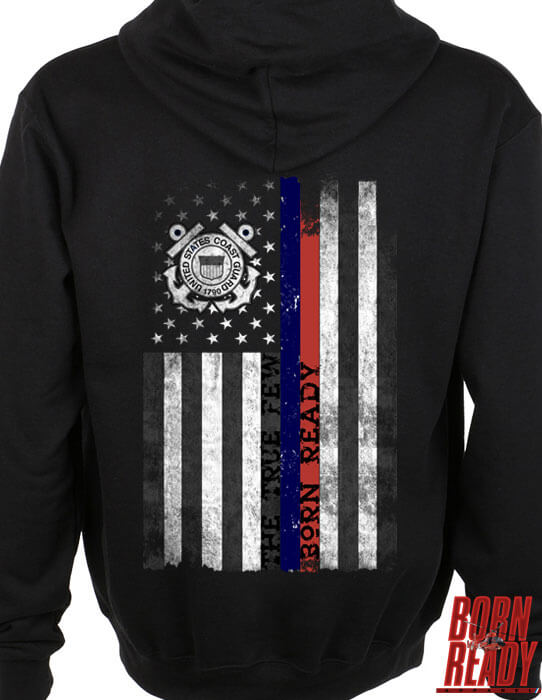
Born Ready Apparel also offers US Coast Guard hoodies featuring designs celebrating Semper Paratus, Coast Guard veterans, K9 veterans, maritime security teams, cutters, and other Coast Guard communities.
Coast Guard Accessories
Coast Guard patches and accessories provide additional ways to display service pride. Born Ready Apparel carries Coast Guard-related morale patches and military collectibles suitable for hats, bags, backpacks, collections, and displays.
Explore Born Ready Apparel Coast Guard Products
The modern U.S. Coast Guard is becoming increasingly connected, autonomous, data-driven, and technologically sophisticated.
Robotics can reduce risk. Unmanned aircraft can extend surveillance. Digital devices can improve communication. Biometrics can support maritime security. Cybersecurity can protect critical shipboard systems. Advanced navigation technology can improve maritime safety.
Yet behind every technological capability is a Coastie ready to use it.
The technology is getting smarter. The mission remains the same: Semper Paratus.